
Alcohol withdrawal can make you feel physically ill without alcohol and this can cause you to start drinking. Taking a month without alcohol can give you a look into what your life could be if your cut out alcohol completely. Some people may even feel the beneficial effects of sobirety during or after the 30 days. Some treatment facilities are luxury rehab centers where they provide a safe environment where you can focus on recovery. Overall, treatment centers provide around the clock suppervision and support https://dev-evo-tech.pantheonsite.io/rapid-evidence-review-the-relationship-between/ to improve your chances of a successful recovery.
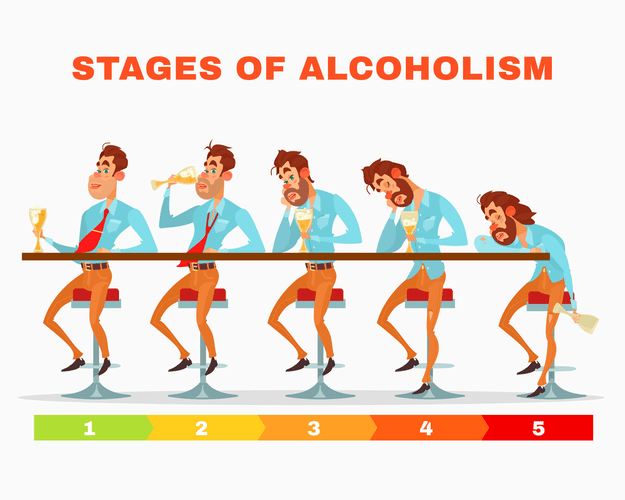
Determine how many drinks you’ll allow yourself, and stick to that goal. If certain people, places, or activities trigger a craving for alcohol, try to avoid them. This may mean making major changes to Alcoholics Anonymous your social life, such as finding new things to do with your old drinking buddies—or even giving up those friends and finding new ones. If you’re a long-term, heavy drinker, you may need medically supervised detoxification. Talk to your doctor or an addiction specialist to learn more.
Eat before and in between drinks.
If you tend to drink too much whenever there is any alcohol in the house, get rid of it altogether, the NIAAA recommends. Food can absorb the alcohol in beverages, so eating before or even while you drink can dampen the effect and may make you want to drink less, says Crews. A standard glass of wine is 5 ounces, which contains about 12% alcohol. A shot of distilled spirits like vodka is 1.5 ounces and equally 40% alcohol. One 12-ounce can of beer contains about 5% alcohol, and a standard glass of sherry is 3 to 4 ounces and contains about 17% alcohol, according to the NIAAA. Learn more ways to explore your relationship with alcohol.
Prepare to Change
Which option is best for you depends on how much you’ve been drinking, how long you’ve had a problem, the stability of your living situation, and other health issues you may have. Fortunately, most of the acute symptoms of withdrawal pass within a week or two of quitting. However, some people who quit an addiction find that certain withdrawal symptoms seem to go on and on. This is known as post-acute withdrawal syndrome (PAWS), and it can continue for weeks, months, or even years in some cases. Medications can be utilized to treat symptoms of withdrawal, help people remain in treatment, and prevent relapse.
Find new meaning in life
- If you sign up for therapy after clicking through from this site, HelpGuide will earn a commission.
- It’s much easier to avoid drinking if you don’t keep temptations around.
- There are options for medications to help alleviate withdrawal symptoms.
This rare, emergency condition causes dangerous changes in the way your brain regulates your circulation and breathing, so it’s important to get to the hospital right away. Once you’ve made the decision to change, the next step is establishing clear drinking goals. The more specific, realistic, and clear your goals, the better. Prepare yourself for those times when someone is going to offer you a drink. You might also hold onto a nonalcoholic drink instead, ask a friend to support you in difficult situations or simply exit early if temptation gets too strong, the NIAAA suggests.
How to Stop an Addiction: Your Guide to Recovery
Some people just need a short, focused counseling session. Others may want one-on-one therapy for a longer time to deal with issues like anxiety or depression. Alcohol use can have a big effect on the people close to you, so couples or family therapy can help, too.

Once you are clear on your goal, you may still need to prepare to change. Preparations include removing addictive substances from your home as well as eliminating triggers in your life that may make you more likely to use those substances again. The decision to change is one of the most important steps in overcoming an addiction.
Express your concerns in a caring way and encourage your friend or family member to get help. Try to remain neutral and don’t argue, lecture, accuse, or threaten. It’s much easier to avoid drinking if you don’t keep temptations around. If you drink to ease the pain of loneliness, then make a conscious effort to connect with others.
- Follow-up research suggested that most tended to drink in healthier amounts afterward.
- It’s possible to develop a better relationship with alcohol and make more mindful, informed choices about drinking without total sobriety.
- Changing old habits also means making an effort to build a sober social network.
- It might also be worth checking out a 12-step program in your area, like Alcoholics Anonymous or SMART Recovery, to see if it feels like something that might be useful for you.
Get online support.
The type of medication a doctor prescribes depends on the type how to overcome alcoholism of addiction that is being treated. For example, there are different medications available to treat opioid, nicotine, and alcohol addiction. If you have an underlying mental health problem, such as anxiety or depression, it could worsen during the withdrawal phase. Healthcare providers can be very supportive and helpful while navigating these challenges.
You can use this information to track how you’re doing and how far you’ve come. Loneliness can be a difficult thing to move through espeically if you drink to ease the pain. Mental health and wellness tips, our latest guides, resources, and more. Her work has appeared in Los Angeles magazine, Good Housekeeping, the Orange County Register and other publications.
Addictions can cover up past trauma or underlying feelings of emptiness, sadness, or fear. Psychological therapies, as well as medications, can provide long-term relief for these problems, which addictions tend to worsen over time. While it can be disheartening and frustrating, relapse is quite common.


