

Incremental costs might include the cost of new equipment, the people to staff the line, electricity to run the line, and additional human resources and benefits. All these costs would be considered long-term incremental costs because they would be implemented as long-term aspects of the business. Third, incremental cost calculations are essential for “make or buy” decisions.
Application of ICER in HEOR
Each situation may have unique considerations, so adapt these tips accordingly. By following these guidelines and leveraging relevant examples, you can enhance your understanding of incremental cost calculation and make more informed decisions. In this situation, figuring out incremental costs will help them see if it’s a good idea or if it will cause a loss for their business. It represents the added costs that would not exist if the extra unit was not made.
What Distinguishes Incremental Cost from Incremental Revenue?
A simple way of describing incremental cost is as the additional money a business must spend to produce one additional unit. It is essential for companies to calculate the average cost per unit of production in order to set prices at a level that covers costs and allows for profit. In the realm of economics and business, understanding incremental cost is crucial for decision-making and cost analysis. Incremental cost refers to the change in cost that occurs as a result of a specific change in output or input. It helps organizations evaluate the impact of their decisions on costs and profitability. Incremental cost analysis transforms how businesses approach decision-making, particularly regarding pricing, expansion, and resource allocation.
Increasing Role of PSA Screenings in Prostate Cancer Detection
- For one, it can be difficult to quantify certain aspects of care, such as the emotional or social impact of a treatment.
- Incremental costs refer to the expenses incurred when a business increases its production or output.
- When calculating incremental cost, it is important to properly identify all relevant costs that will increase as a result of producing an additional unit.
- Understanding incremental costs is crucial for businesses as they navigate the complexities of financial decision-making.
- Understanding incremental costs is essential for any business aiming to maximize profits while minimizing unnecessary expenditures.
- This consideration is particularly relevant when budgeting and prioritizing expenses.
It is often computed when a corporation creates enough output to cover fixed costs and has progressed past the breakeven threshold, where all future costs are variable. However, incremental cost refers to the extra cost incurred as a result of the decision to expand output. Variable costs are expenses that change in direct proportion to the level of production or activity.
Incremental Revenue and Cost
Incremental cost refers to the cost of producing an bookkeeping additional unit of output, taking into account all costs that vary with the level of production, including fixed costs. Statista forecasts that e-commerce sales are expected to reach around $8.1 trillion by 2026. To gain efficient revenue and make informed decisions, you need to understand the cost of producing goods and services.
Methodological Considerations for ICER
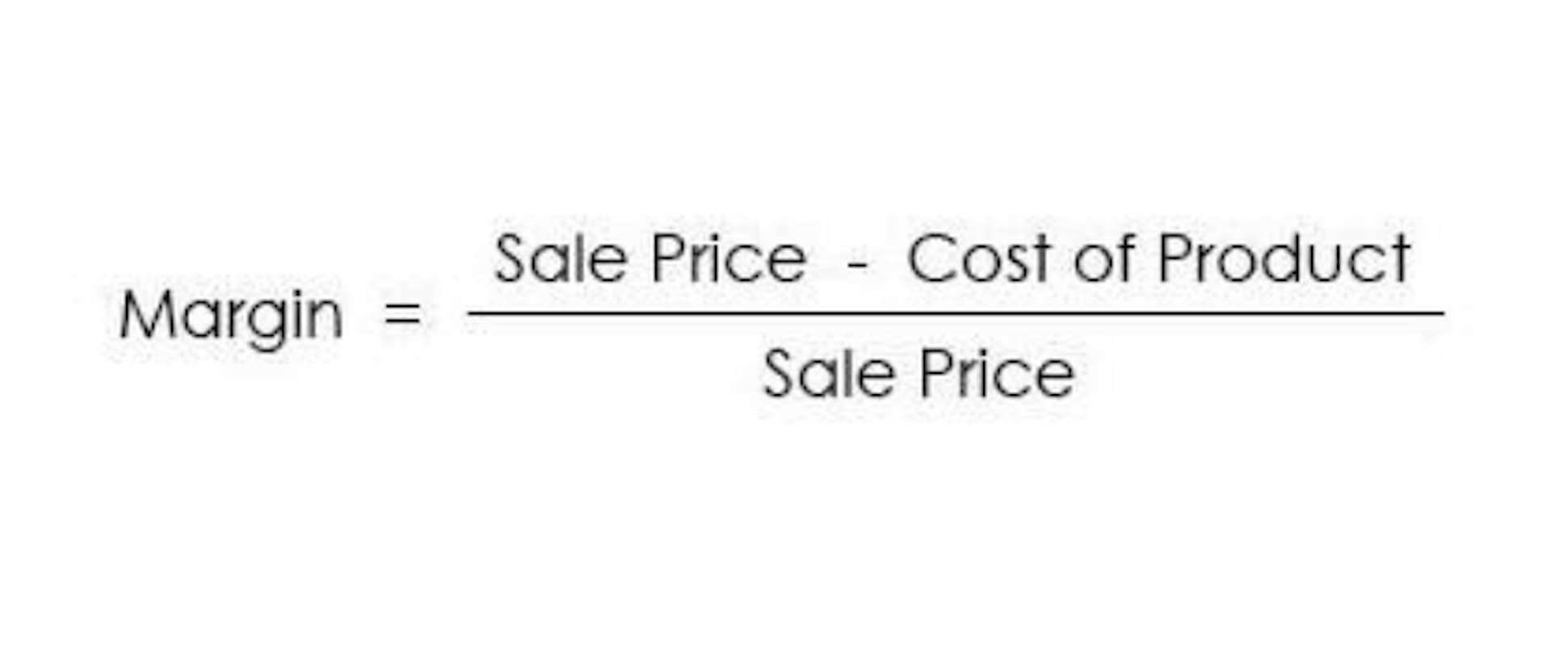
By delving into the nuances of incremental cost, businesses can make informed choices that optimize efficiency, profitability, and resource allocation. From a financial perspective, incremental costs are critical for determining the break-even point and setting profit margins. For instance, if the incremental cost of producing an additional unit is lower than the selling price, the company can increase production to maximize profits. Conversely, if incremental costs rise significantly, it may signal inefficiencies or the need for investment in more cost-effective production methods.
- This reduction in the average cost per widget to $9.82 ($1,080/110) suggests that the company is experiencing economies of scale.
- To increase production by one more unit, it may be required to incur capital expenditure, such as plant, machinery, and fixtures and fittings.
- This is why ICER should be used alongside other decision-making tools, ensuring that both cost and patient-centric outcomes are considered.
- Combining it with other decision tools (such as sensitivity analysis or scenario planning) can lead to more robust and informed choices.
- However, if an economist wanted to be extremely precise, they might include some element of these fixed costs where they could specifically link them to the production of the extra unit.
However, incremental cost refers to the additional cost related to the decision to increase output. From a financial perspective, analyzing the output or activity level helps in calculating the incremental cost, which is the additional cost incurred when the output or activity level is increased. This information is valuable for businesses to make informed incremental cost meaning decisions regarding production, pricing, and resource allocation. For instance, if a manufacturing process uses a great deal of energy, then utility cost would be a variable cost. Fixed costs do not change when additional units are produced, so they should be excluded. From a business perspective, incremental cost analysis aids in optimizing resource allocation.
- This concept of incremental cost of capital is useful while identifying costs that are to be minimized or controlled and also the level of production that can generate revenue more than return.
- Incremental cost refers to the change in total cost resulting from a specific decision or action.
- From a financial perspective, analyzing the output or activity level helps in calculating the incremental cost, which is the additional cost incurred when the output or activity level is increased.
- If a reduced price is established for a special order, then its critical that the revenue received from the special order at least covers the incremental costs.
- But then you are looking at making 5,000 more shirts as your labor, machinery, and production input tells you you can.
- To highlight an idea with an example, consider a software development company that develops a new feature for its product.
Incremental cost is the cost incurred due to an additional unit of a product being produced. This is the increase/decrease in the cost of producing one more additional unit or serving Catch Up Bookkeeping one more additional customer. Context matters, and decision makers must weigh trade-offs based on their unique circumstances. By mastering incremental cost concepts, organizations can make informed choices that drive success. The expense of subcontracting a particular service includes the additional costs incurred by a firm that are not present when those services are provided in-house. This expense includes costs such as labor fees, supervision expenses, and related taxes.

Common Mistakes in Material Handling Equipment Manufacturing
According to research by McKinsey, companies that excel at resource allocation deliver 30% higher returns to shareholders than their less skilled peers. Incremental costs are a vital component of financial analysis and strategic planning. They provide a granular view of the cost structure, enabling businesses to make informed decisions that align with their financial goals. Understanding and effectively managing incremental costs can lead to improved profitability and long-term success. Moreover, incremental cost analysis provides valuable insights from different viewpoints. It enables stakeholders to assess the financial implications of alternative courses of action.
- Incremental cost is the extra expense for making one more unit of a product.
- Unfortunately, most of the time when manufacturers take on new product lines there are additional costs to manufacture these products.
- When the projected revenue from an additional unit falls below its incremental cost (including handling, storage, and opportunity costs), the system automatically reduces order quantities.
- To calculate incremental cost, begin by reviewing the existing production cost records.
- These can include research and development, manufacturing systems, distribution channels, marketing campaigns and product testing.
- You can understand incremental costs as the additional cost invested by businesses to produce extra units or to deliver extra units of service.For example, imagine a company that makes 1000 bulbs in a day.
Examples of Incremental Cost Analysis
In summary, incremental cost analysis empowers decision-makers to weigh the benefits against the additional expenses. By considering both short-term and long-term implications, organizations can make strategic choices that align with their goals and resources. Remember, incremental cost isn’t just about numbers; it’s about optimizing outcomes and shaping a better future. By analyzing incremental costs, they can determine the optimal number of additional vehicles to add, balancing revenue and expenses. Not only does it reduce the cost per unit, but it creates a negative incremental cost for additional production.


