
‘Alcohol stimulates the release of histamine which dilates blood vessels in the skin,’ he explains. Plus, it can cause facial flushing for those of north-eastern Asian descent, as approximately 40% of the demographic ‘lack a key enzyme involved in the breakdown of alcohol’. This may lead to temporary redness, especially in sensitive individuals. Your skin deserves the best care, and being mindful of what you consume can lead to a radiant complexion. This can lead to dark circles, making individuals look tired or unwell. Chronic liver disease often leads to generalized itching and various skin rashes.

Health
“If you’re a heavy drinker, this is where your liver health starts rebounding,” says Dr. Mosquera. Regular drinking raises estrogen levels and reduces testosterone. For men, this can look like lowered libido and erectile dysfunction, as well as decreased muscle mass. For women, it can increase the risk of breast cancer, impair bone health, alcoholism treatment and lead to mood changes. But, drinking alcohol can interfere with this process, leading to skin cancer. The effects of alcohol on the skin stretch further than dehydrated skin, with people reporting the substance worsens their symptoms of atopic dermatitis, or eczema.
Physical Signs You’re Drinking Too Much
“Dehydrated skin needs to be treated from within, and plain and simple water is your best option,” explains Faye. In fact, a study by the British Medical Association found bourbon is twice as likely to cause a hangover as the same amount of vodka. Everyone loves holding a fancy cocktail glass in their hand, but your faves like Pornstar Martinis and Cosmopolitans are also bad news if you want to keep a clear complexion. The high sugar content in most cocktails can lead to inflammation, which increases cell damage and is a cause of acne. Clear spirits like vodka and gin go through rigorous distillation process to remove impurities and they contain fewer additives.
Is there a link between alcohol and psoriasis?
At Ria, we offer weekly meetings does alcohol come out of your pores with certified counselors to help members stay on track and build skills for long-term change. Ria Health offers several FDA-approved medications for alcohol use disorder. When combined with counseling, this approach is proven highly effective.
Facial redness
Improving your skincare routine could also make a big difference in reversing the aging effects of alcohol. It’s important to choose a cleanser that has good oil control without being too harsh or drying. Moisturizing your skin can also help by sealing in moisture, restoring the skin’s natural barrier, and reducing the appearance of fine lines.
Join 130k subscribers and get the best of the week, straight to your inbox.
It’s common knowledge that alcohol isn’t exactly good for your skin. And if you like to hit happy hour after work, you’ve probably experienced this first-hand. Red wine contains resveratrol, an antioxidant, but its alcohol content cancels out most skin benefits. Most people report stronger nails and healthier, shinier hair within weeks of quitting or cutting back on alcohol. It may be due to increased cortisol, sugar spikes, or gut imbalances.

Body Odor and Sweat Glands
- This can sometimes cause fluid retention in the body, which might result in facial swelling.
- Hence, drinking alcohol makes it harder for your immune system to gear up and mount a defense response against invading pathogens and viruses.
- Some of its effects, such as cognitive impairment, high blood pressure, and liver damage, are quite well known.
- Chronic dehydration caused by alcohol consumption can lead to the gradual breakdown of these crucial proteins.
Alcohol can dehydrate the skin, leading to dryness and dullness, and it may also cause inflammation and redness, disrupting the skin’s natural balance. Addressing alcohol-related skin damage is possible, but it often requires a multi-pronged approach that may vary depending on the severity of the damage. The most critical step is to cease or significantly reduce alcohol consumption. This can prevent further skin damage and provide the foundation for recovery. For example, someone who drinks heavily may notice their skin becoming redder and itchier after a night out.
- And unfortunately, this can cause your skin to appear dull and zapped of its moisture over time.
- This can prevent further skin damage and provide the foundation for recovery.
- While alcohol isn’t the sole cause, studies find 70% of PCT patients have significant alcohol intake.
- Contact Zinnia Health today to speak with one of our intake specialists about our alcohol abuse treatment programs and how you can get started on your journey to recovery today.
- However, it’s important to note that these potential benefits should be approached with caution.
The impact of alcohol hand sanitizer use on skin health between healthcare worker: Cross‐sectional study
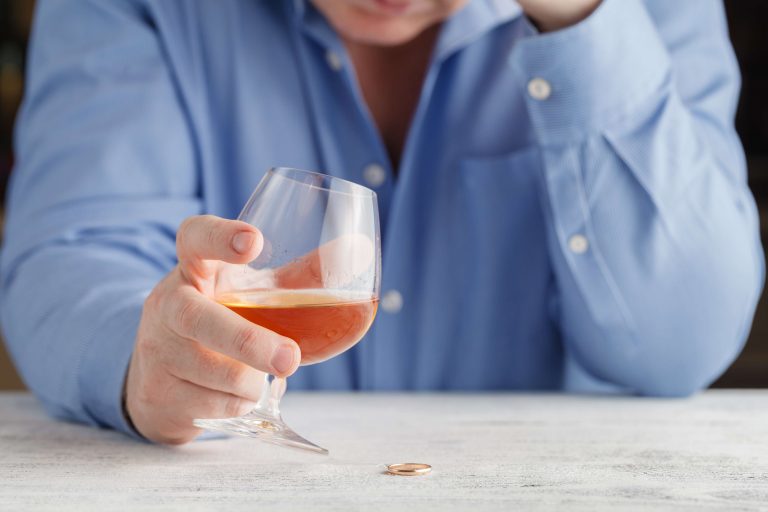
Some studies suggest that people who limit their drinking report better skin health. For example, if someone notices their skin reacts poorly after a glass of red wine, they might choose to switch to white wine or another beverage. Liver diseases like hepatitis and cirrhosis result from excessive alcohol consumption. These conditions can lead to jaundice, which causes yellowish skin.
Can You Drink on Bactrim?
Isopropyl alcohol, also known as rubbing alcohol, is a common household chemical that is widely used for various purposes. It is a colorless liquid with a strong odor and is easily available in pharmacies and supermarkets. Isopropyl alcohol is known for its antiseptic https://zre.iwe.mybluehost.me/2023/04/28/how-to-stop-drinking-benefits-of-quitting-alcohol/ properties and is often used to clean wounds, disinfect surfaces, and sterilize medical equipment.


